
Exceptional Summer Birding at Arabella Country Estate
Written by estate residents Riël Franzsen and Jill Wheater
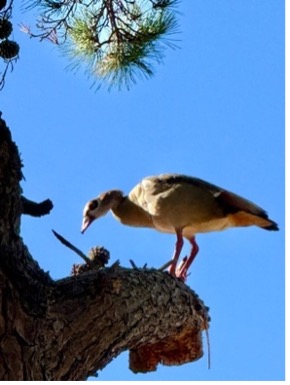
Summer birding at Arabella was exceptional with 142 species identified. The last of the summer migrants, the Barn Swallows, arrived in October. The significantly lower water level of the lagoon after the breach of the Bot River mouth early in October, exposed sand and mudbanks for the first time in many months. Within days Blue Cranes, Sacred Ibises, African Spoonbills, Little Egrets, Egyptian Geese and Spur-winged Geese started roosting overnight on the large sandbank in front of the hotel. What a treat!



Various waders also returned, including Common Greenshanks, Pied Avocets and Black-winged Stilts. Black Oystercatchers and Eurasian Whimbrels were also spotted. All types of Grebes remained on the lagoon despite the low water levels. Terns and Gulls also returned to rest on the sandbanks near the 17th and 18th holes. At the mouth of the estuary there was a lot of action with a number or rarities seen, including a Gull-billed Tern and Sooty Tern. Fantastic shot of a Gull-billed Tern by Jan Rousseau.

With leucadendrons and leucospermums still flowering, fynbos specials such as the various sunbirds, the Cape Sugarbird, Brimstone Canary and Streaky-headed Seedeaters were present in abundance.


Hard to spot and elusive! But careful listening revealed Red-chested Cuckoo, Diedrick Cuckoo and Klaas’s Cuckoo. The estate was alive with chicks – baby Guineafowl and Spurfowl rushing across the road after Mum! Baby Coots near all the dams. Again, just a privilege to see nature in abundance.
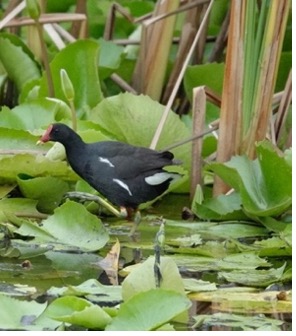
As was the case in August and September, the ponds on the estate were bustling with birdlife. White-backed Ducks, Cape Shovelers, White-faced Whistling Ducks, Common Moorhen, Red-knobbed Coot, African Darters, Reed Cormorants and Pied Kingfishers were all regulars. White-throated Swallows and the occasional Malachite Kingfisher were also seen.

We are lucky to see so many birds of prey on a regular basis – African Fish Eagle, Jackal Buzzard, Rock Kestrel, Black-winged Kite, Yellow-billed Kite and African Harrier-Hawk -an impressive list in itself. But the less common African Goshawk, Peregrine, Western Osprey, Black Sparrowhawk and Rufous-breasted Sparrowhawk were all seen. The nocturnal birds seen include Spotted Eagle Owl and Fiery-necked Nightjar.


Two new species were added to the official Arabella bird list. In October the hooting calls of a pair of Buff-spotted Flufftails could be heard at night and early morning from the lush area in Phase 2 adjacent to the 16th hole. On 13 November a Common Scimitarbill, paid a brief visit to Arabella. This species is a vagrant in the southwestern part of the country.
And finally Blue Crane were seen on the 16th hole a couple of weeks ago. How special! This photo was taken locally – see the tiny baby hiding below Mom
